


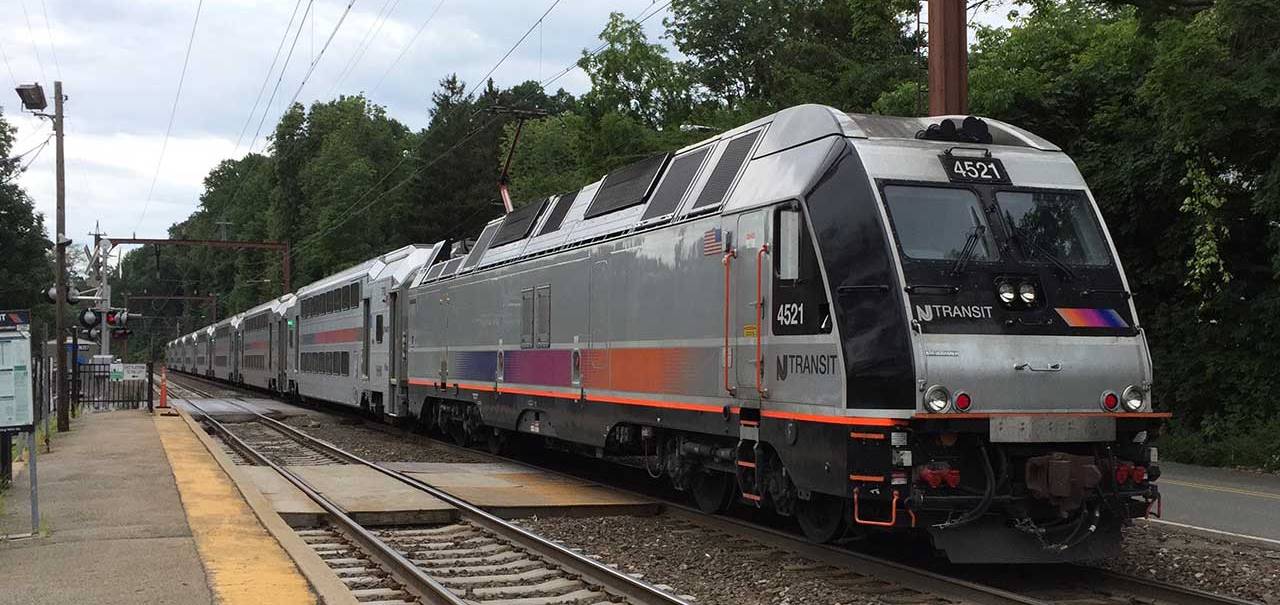
Since the expiration of their last contract in 2019, NJ Transit engineers have been locked in a wage dispute that now threatens to culminate in a strike as early as March 22. The latest development in the standoff came when the Brotherhood of Locomotive Engineers and Trainmen (BLET) rejected a settlement proposal recommended by a presidential emergency board overseeing the conflict.
Key Points of Contention
The core issue fueling tensions is wages. NJ Transit engineers are demanding a 14% pay increase in fiscal year 2028, which would raise their hourly wage to $55.79. The transit agency, however, has proposed a more modest 4% raise, leaving wages at $50.89 per hour. According to BLET, this gap leaves NJ Transit engineers earning significantly less than their counterparts at Amtrak, Long Island Railroad, and Metro-North, where wages exceed NJ Transit’s by at least $10 per hour.
NJ Transit’s Stance and Broader Implications
NJ Transit has defended its offer, citing a long-standing practice of pattern bargaining, which aims to maintain wage consistency across different labor units. In a statement, NJ Transit President & CEO Kris Kolluri reiterated the agency’s commitment to reaching an agreement that is fair for workers and sustainable for taxpayers. He also reached out to BLET General Chairman Tom Haas in hopes of resuming negotiations.
Despite the wage disparity with other major railroads, the emergency board found NJ Transit’s offer to be reasonable, noting that some Southeastern Pennsylvania Transportation Authority (SEPTA) engineers earn 10% less than NJ Transit engineers. The board acknowledged that while the proposed 4% raise in 2028 may seem low, the engineers’ demand for 14% was not justifiable under current economic conditions.
Potential Strike and Federal Intervention
Should the dispute remain unresolved, engineers could legally walk off the job in March, leading to widespread disruptions for commuters reliant on NJ Transit rail services. A strike of this nature falls under stricter federal labor regulations due to its potential impact on interstate commerce. In 2022, President Joe Biden intervened to prevent a nationwide freight rail strike by imposing a settlement. It remains uncertain whether a future administration, such as a possible return of Donald Trump, would take similar steps to halt a commuter rail strike.