


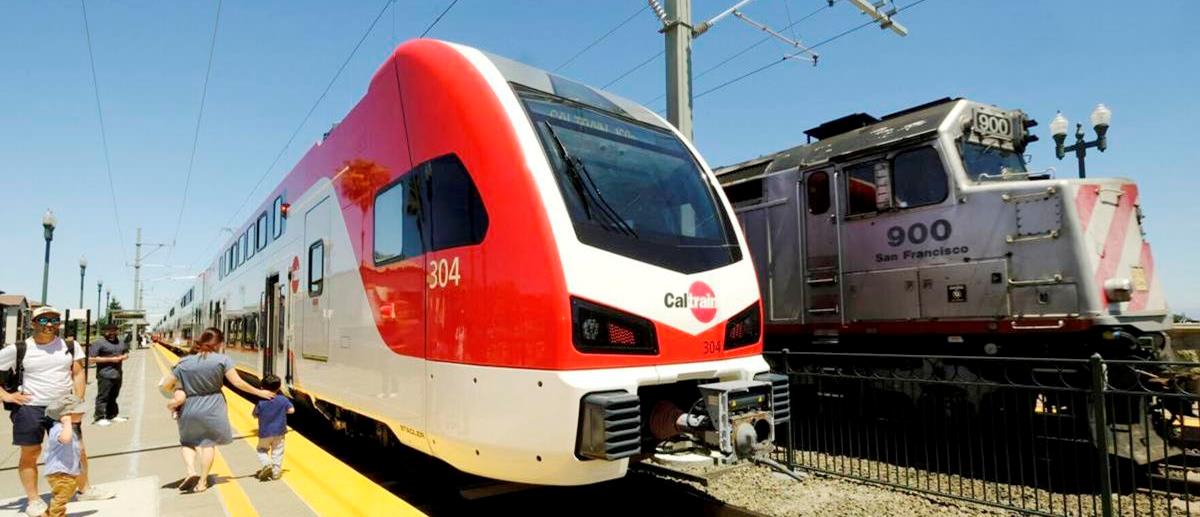
Caltrain’s transition to electric trains is proving to be even more efficient than initially projected. Thanks to regenerative braking technology, the agency has been able to revise its annual electricity cost estimates from $19.5 million to $16.5 million. The system is now returning 23% of the energy consumed back to the electric grid, significantly reducing operational expenses.
With weekday electricity consumption averaging 207 MWh and weekends at 175 MWh, Caltrain has seen an overall drop in expected costs. The savings are further amplified by $6 million in annual energy credits from the California Air Resources Board’s Low Carbon Fuel Standard Program, making the first year of electric service cheaper than the previous diesel operations.
How Regenerative Braking Works?
Unlike conventional braking systems that dissipate energy as heat, regenerative braking allows electric motors to function in reverse, recapturing energy and feeding it back into the system. Caltrain’s advanced fleet is engineered to return this power to the Overhead Contact System, which then distributes it to the nearest traction power facility. The energy can either be reused by other trains on the network or sent back into the power grid.
A Fully Renewable and Sustainable Future
Caltrain officials highlight that the shift to a fully electric fleet aligns with their long-term sustainability goals. By running on 100% renewable energy and sending nearly a quarter of that energy back to the grid, the agency is reinforcing its commitment to eco-friendly transportation. The improved efficiency not only reduces carbon emissions but also contributes to a more cost-effective and sustainable transit system.
Currently, Caltrain provides this surplus power to the grid free of charge, as there is no legal mandate for reimbursement. However, with increasing focus on sustainable transit solutions, the potential for future policy changes remains an open discussion.