


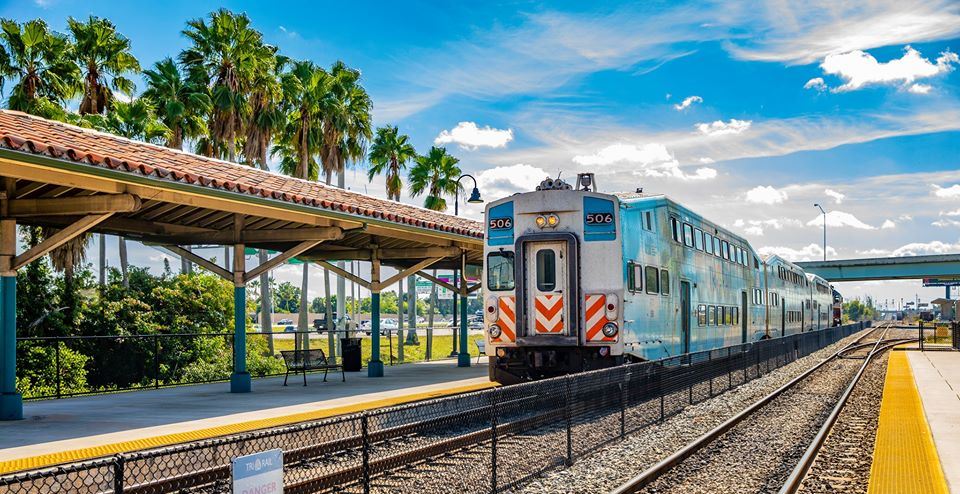
Tri-Rail’s northernmost station at Mangonia Park could soon be just another stop along the way. A recent feasibility study commissioned by the South Florida Regional Transportation Authority (SFRTA) has recommended extending the commuter rail line another three miles northwest to the West Palm Beach VA Medical Center.
The project carries a hefty price tag: up to $94 million in construction costs, with annual operating and maintenance expenses estimated between $3.5 million and $5.5 million. But beyond the numbers, the real question remains—who will foot the bill?
Funding Roadblocks and Political Hurdles
Money, as always, is the key obstacle. Without a dedicated funding source, the project remains in limbo. Palm Beach County commissioners are weighing their options, including a potential sales tax increase to be presented to voters in 2026. If approved, this tax could provide the necessary financial backing to make the expansion a reality.
Without a reliable revenue stream, however, the proposal could remain just that—a proposal. Similar transit projects have struggled to move forward due to funding constraints, and this one could meet the same fate unless a solution emerges.
What the Project Entails
The extension wouldn’t just add tracks—it would reshape transportation in the area. The proposed station at the VA Medical Center would include:
- Parking and Accessibility: Space for 100 vehicles and a central platform with ground-level access.
- Multi-Modal Connectivity: A dedicated shuttle area and bus bays in both directions along State Road 710.
- Pedestrian Infrastructure: A bridge equipped with elevators spanning State Road 710.
- Underpass Construction: A two-lane segment passing beneath Interstate 95.
These features aim to enhance accessibility, making rail travel a more attractive option for commuters, veterans, and hospital visitors alike.
Ridership Projections and Long-Term Impact
If built, the extension could be operational by 2029, with an estimated daily ridership of 700 passengers. By 2045, projections suggest that number could swell to 1,200, making up nearly 29% of Tri-Rail’s total ridership.
For now, the plan awaits financial backing and political support. If both align, Tri-Rail’s expansion could mark a major step forward in South Florida’s regional transit network.